
‘Powering Up Next Gen Digital Artists’ was a three-year education programme funded by the Paul Hamlyn Foundation.
Digital Skills Workshops
The programme was designed to empower KS2 and KS3 Black children in North Birmingham. This centred on designing an engaging and interactive digital arts programme to upskill KS2 and KS3 learners in underserved areas of the city, predominantly black children in North Birmingham.
Learners across primary and secondary schools were introduced to digital skills across animation, virtual production and learnt how to use Blender for projects.
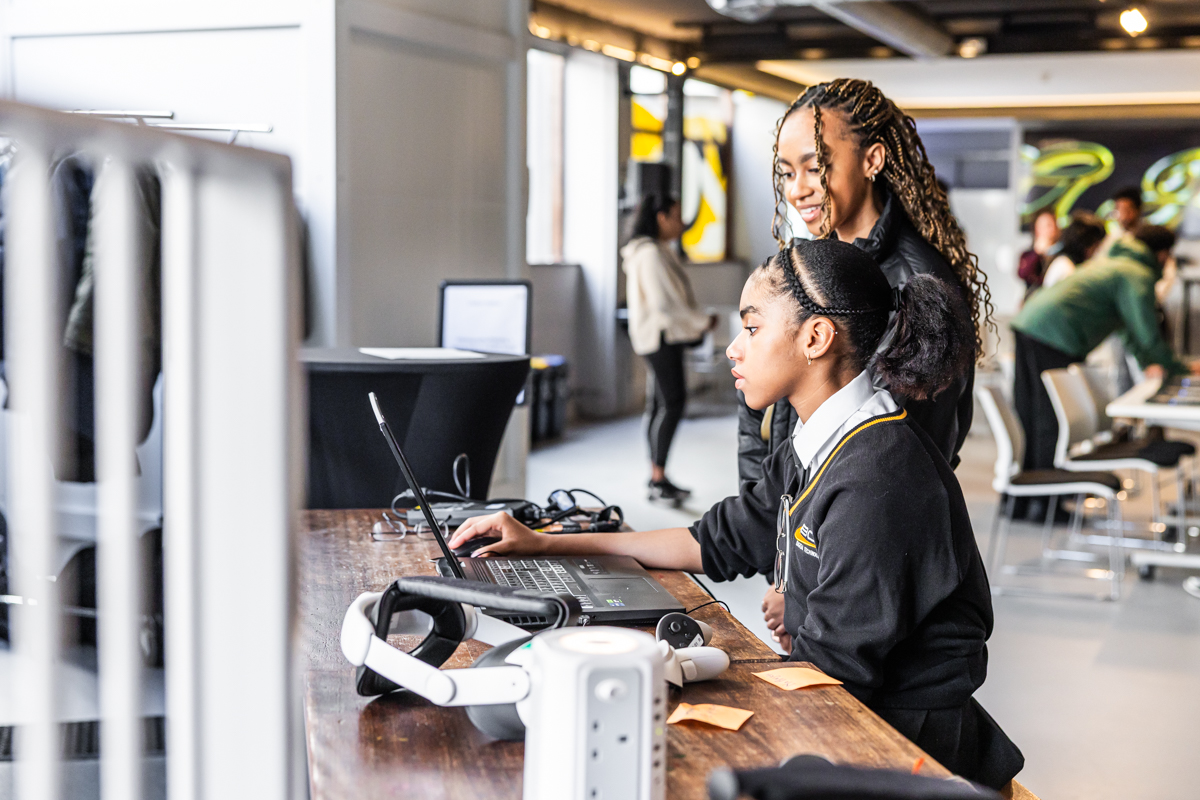
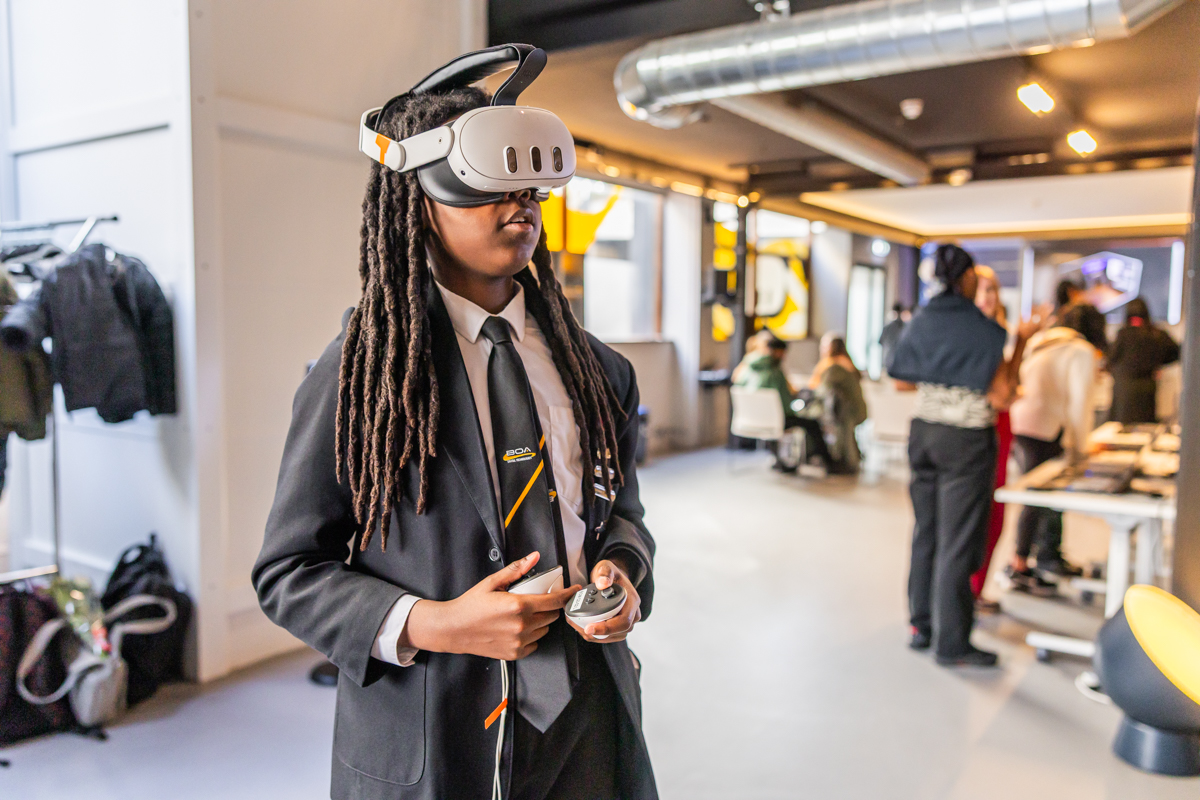
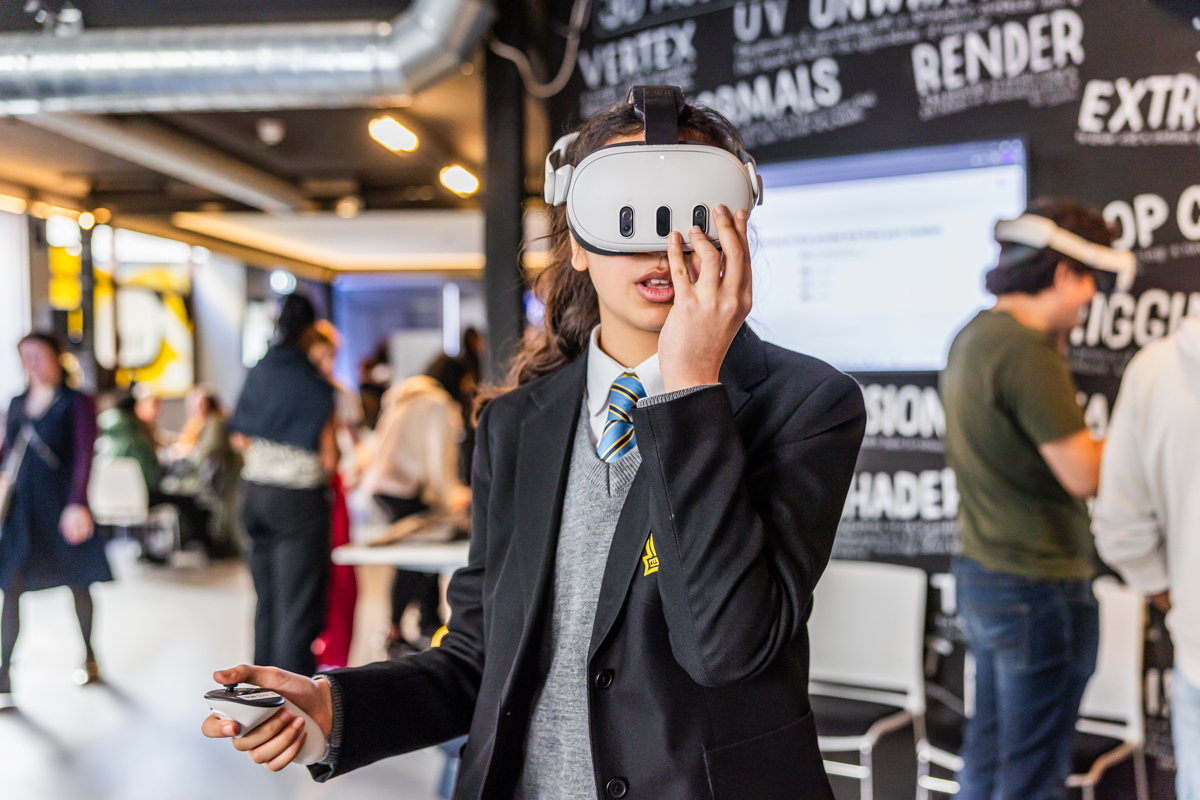
An important part of this programme was inviting guest facilitators to showcase their careers and providing pupils with relatable role models and learn about creative career pathways. We’ve worked with graphic designers, photographers and architects who shared their experiences. As a result, the schools we have worked with, documented positive increases year on year for students choosing Art as a GCSE. We’re very proud of the work with do with these schools.
Key Stats
Over three years, 114 sessions were delivered, with our reach increasing year after year, totalling 3,099 learners.
- Year 1 – Reached 546 learners over 21 sessions
- Year 2 – Reached 1,325 learners over 37 sessions
- Year 3 – Reached 1,228 learners over 56 sessions
Reaching diverse learners
- 52% Black learners reached on average
Represented Black professionals
- 100% of our guest artist facilitators were Black and this exposed pupils to a wide range of black influence within the creative tech industries.
Longevity for primary learners
- Our programme also took place in local feeder schools, and we delivered sessions at Chillwell Croft Primary in the first year of the programme. As a result, 30% of learners at Aston Manor Academy were already familiar with our programme which saw increased confidence in digital skills.
Upskilling learners and teaching advanced software.
- The programme introduced pupils to new programmes never used before, from simple programmes like TinkerCAD to more advanced software such as Blender. This encouraged participants to explore their creativity in new and exciting ways.